AVENUES FOR MAINSTREAMING ECOSYSTEM APPROACH IN COMMERCIAL FISHERIES AND AQUACULTURE DISCUSSED
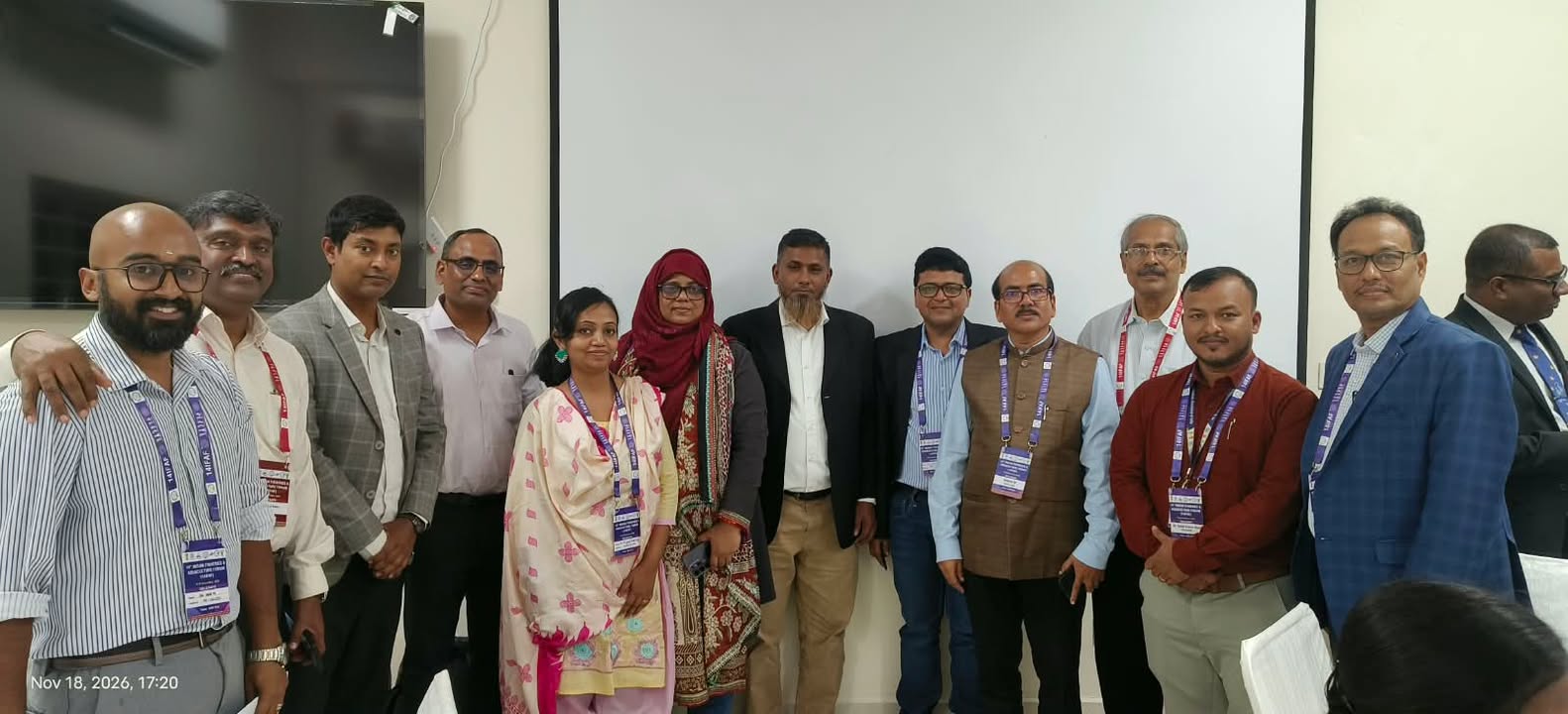
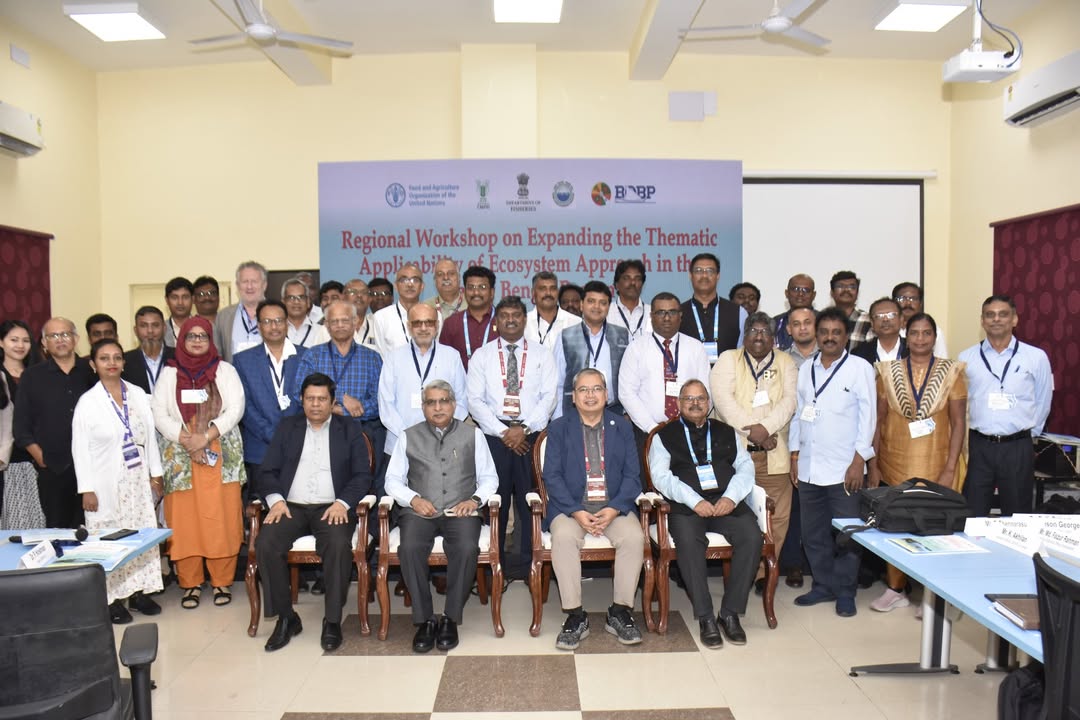
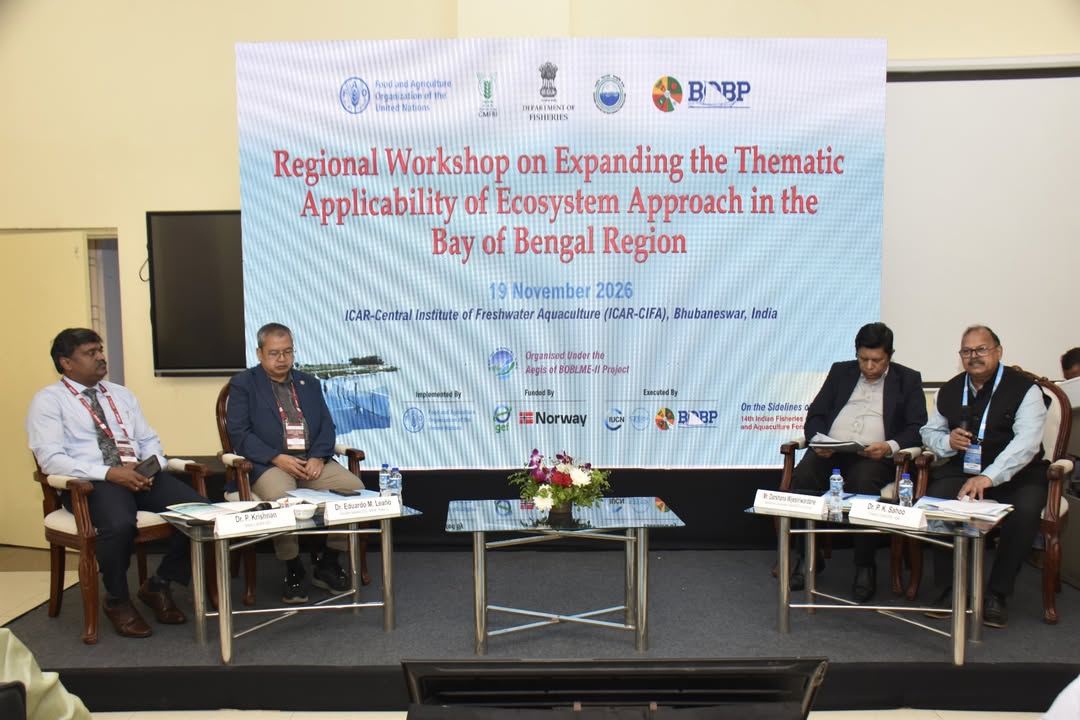
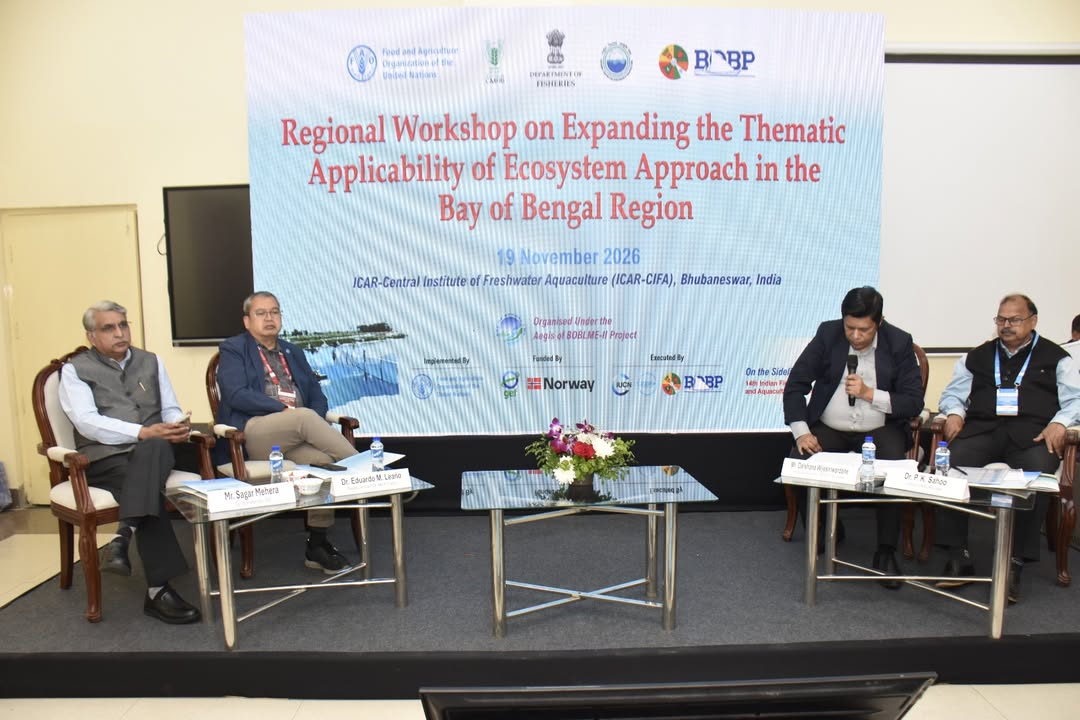
BOBP-IGO, in partnership with the Food and Agriculture Organization of the United Nations (FAO), organised the Regional Workshop on Expanding the Thematic Applicability of the Ecosystem Approach in the Bay of Bengal Region on 19 November 2026 in Bhubaneswar, on the sidelines of the 14th Indian Fisheries and Aquaculture Forum (IFAF), under the aegis of the BOBLME-II Project.
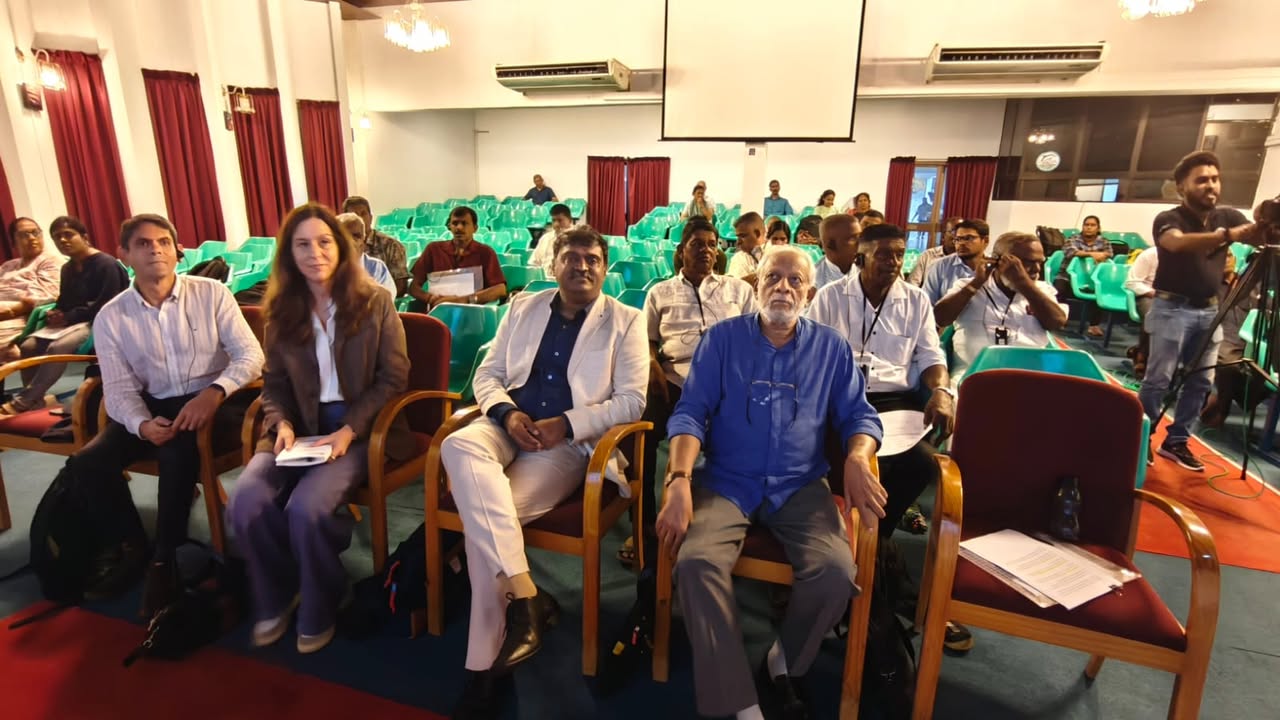
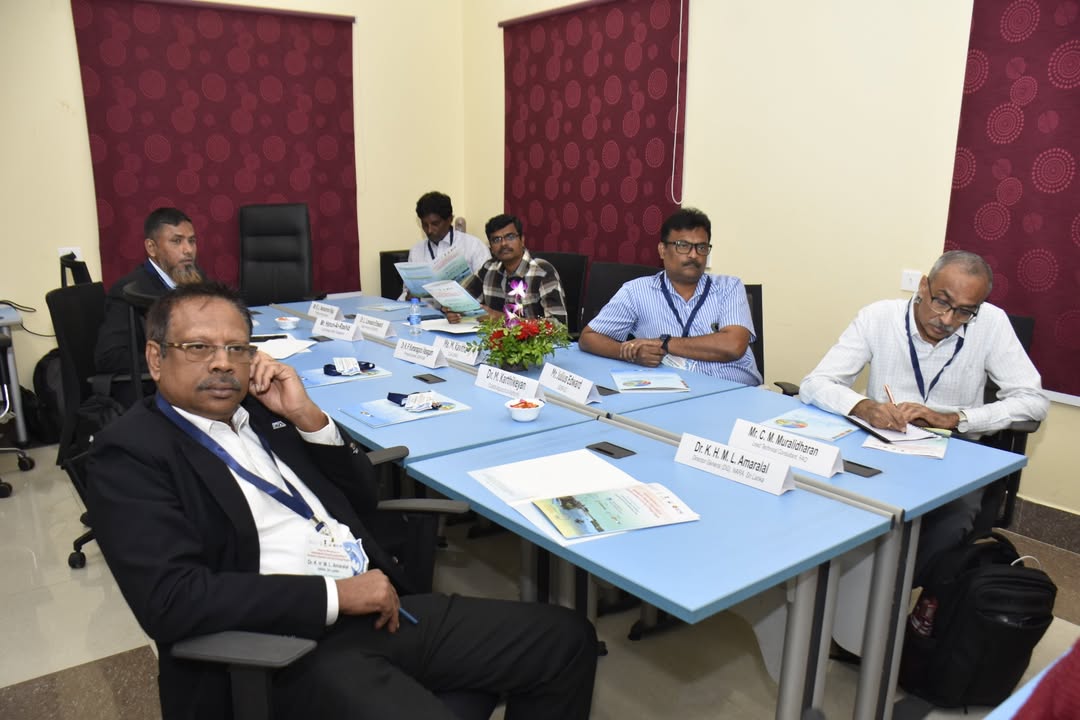
The workshop hosted by DoF, Govt. of India and organized in collaboration with CMFRI and NACSA, brought together approximately 52 participants, including fisheries managers, researchers, industry representatives, civil society organisations and fishers' associations from BOBP-IGO member countries: Bangladesh, India, Maldives and Sri Lanka.
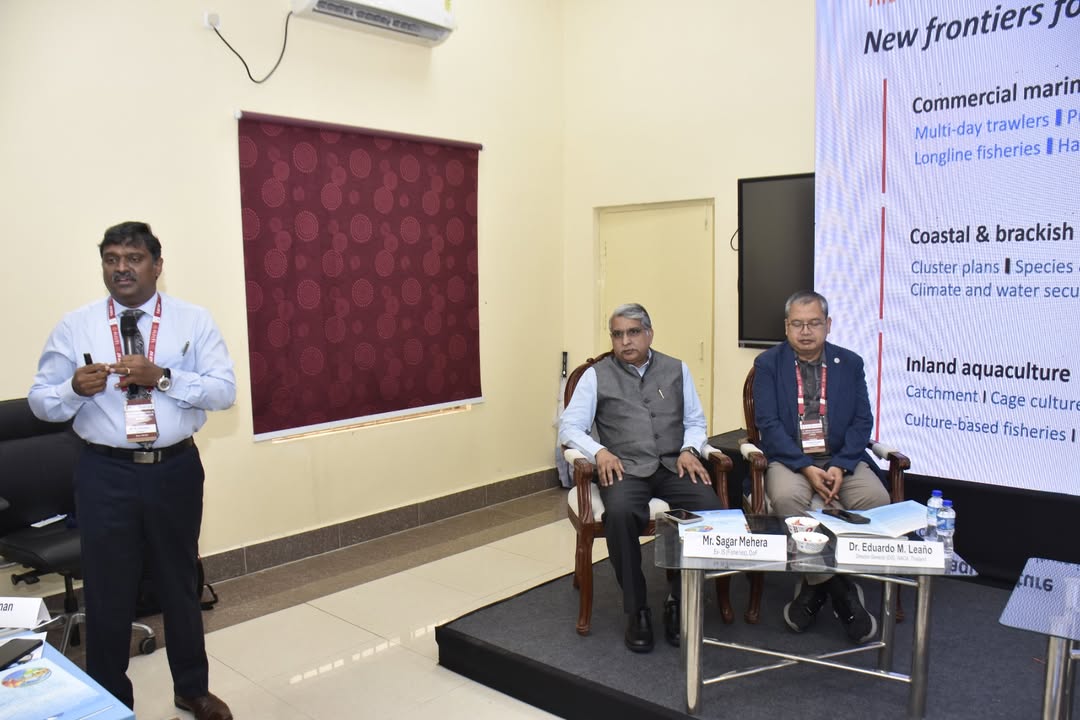
During the context-setting session, Dr. P. Krishnan underscored the importance of the Ecosystem Approach to Fisheries (EAF) and to Aquaculture (EAA) and the efforts undertaken under the BOBLME-II Project to mainstream and institutionalize the Ecosystem Approach at the national level. He also emphasised the importance of capacity development to strengthen implementation. Furthermore, he noted that BOBP-IGO is expanding the application of EAF and EAA across the region through additional partnerships with FAO and the BOBP-EDIF Centre. He suggested extending these approaches to commercial fishing like trawl fisheries, purse seines and long lining and commercial aquaculture viz., coastal aquaculture, inland aquaculture systems, including culture-based fisheries, cage culture in reservoirs and other production systems across BOBP-IGO member countries.
Mr. Darshana Wijesiriwardane, Additional Secretary and Chair of the BOBP-IGO Governing Council, shared Sri Lanka's experience in implementing EAFM. He noted that, alongside conventional fisheries management measures such as mesh-size regulations and vessel registration, Sri Lanka has institutionalised EAFM and participatory management approaches, recognising the limitations of conventional top-down management. He highlighted the Puttalam Lagoon and Sea Cucumber Fishery EAFM initiatives, implemented under the BOBLME-II Project, as examples of multi-stakeholder co-management models. Presenting on behalf of Director, ICAR-CMFRI, Dr. J. Jayashankar presented the key activities of the EAFM Centre established at CMFRI in collaboration with BOBP-IGO and EDIF. He committed that CMFRI has a roadmap to develop at least a dozen management plans following ecosystem approach.
Mr. Sagar Mehra, Former Joint Secretary (Inland Fisheries), Government of India, appreciated the efforts of BOBP-IGO and FAO in expanding the application of EAFM across the region. Bay of Bengal not merely as a geographical water body but as an interconnected lifeline supporting livelihoods and economies, he said. Commending the contributions of ICAR institutes and BOBP-IGO's work on EAFM over the past five years, he called for stronger cross-learning among member countries. He emphasised the need to address community, economic and governance dimensions while pursuing the ambition of doubling India's seafood exports. He further noted that schemes such as PMMSY, PM-MKSSY and FIDF actively support the cluster-based approach.
Dr. Eduardo M. Leaño, Director General, Network of Aquaculture Centres in Asia-Pacific (NACA), highlighted NACA's experience in cluster-based farming, freshwater aquaculture in Thailand and community-based aquaculture across countries that are members of NACA. He advocated socially inclusive Nature-based Solutions under EAFM and EAA to conserve and restore aquatic ecosystems, maintain their carrying capacity and support human well-being through cross-sectoral water planning and coastal zone management.
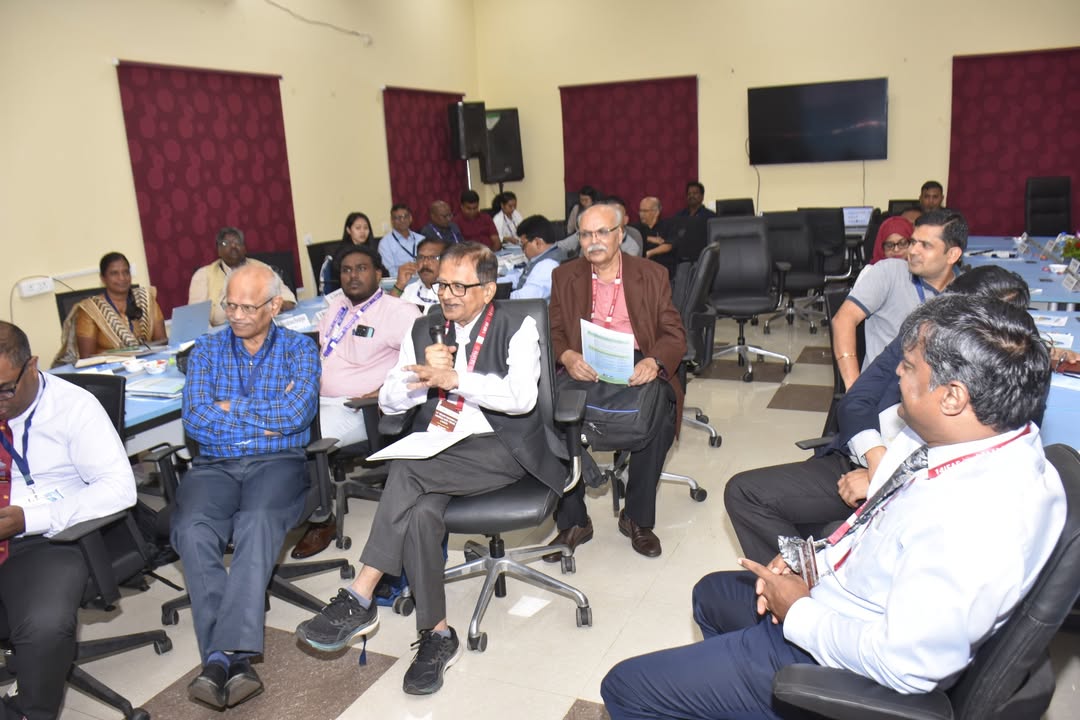
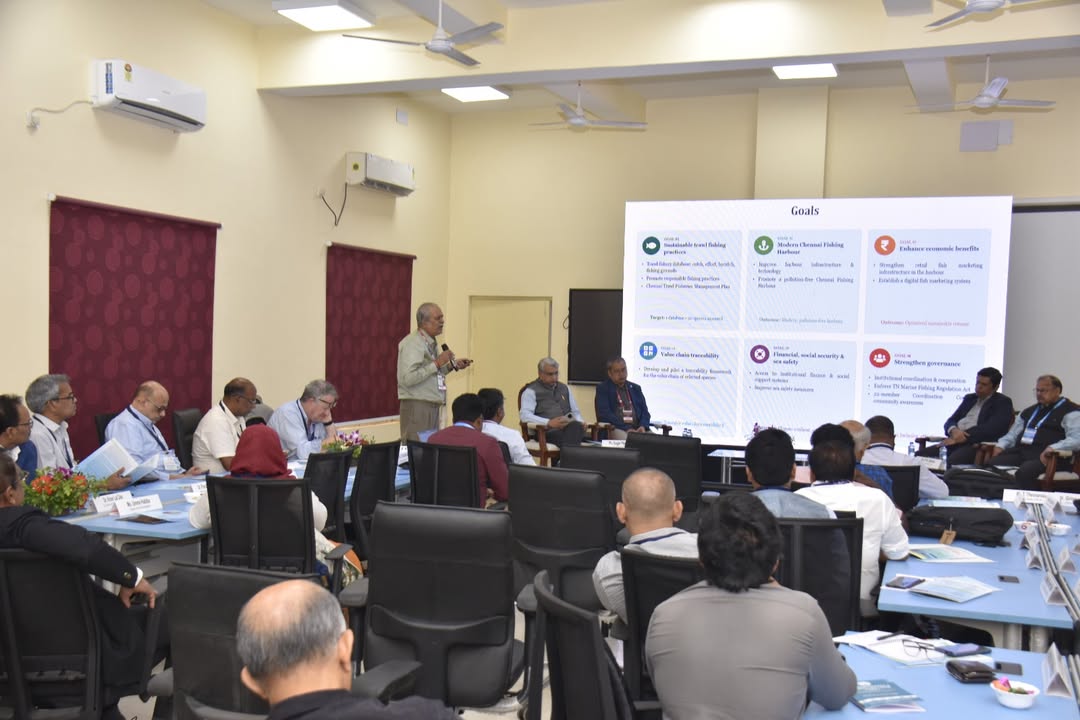
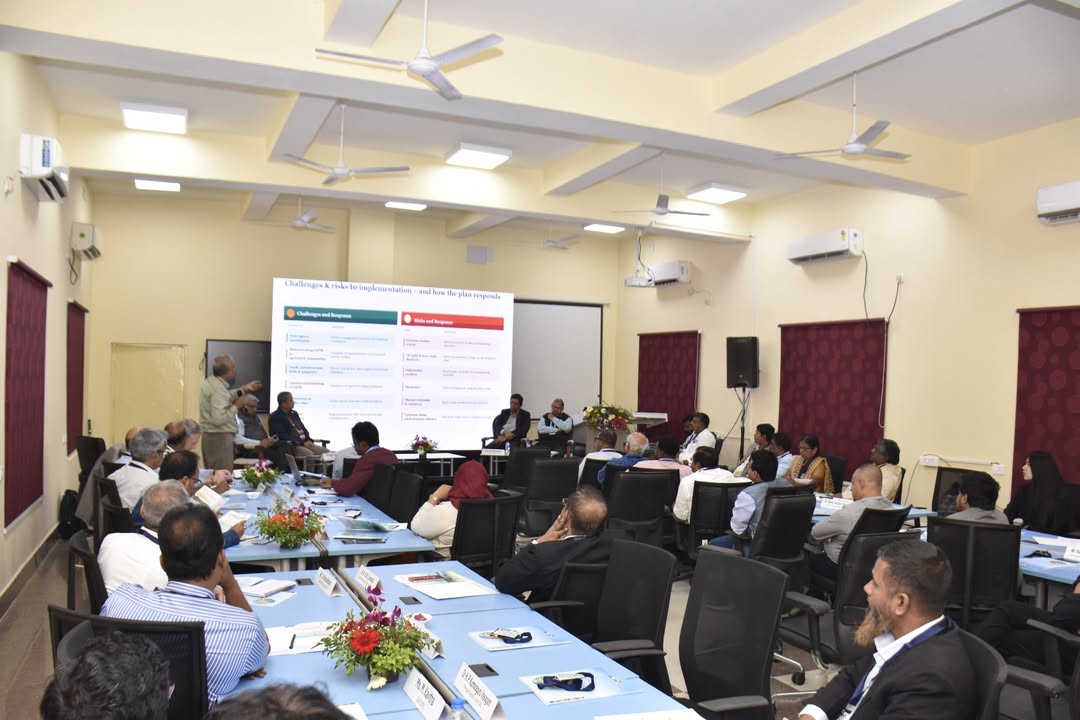
The regional workshop identified potential fisheries and aquaculture systems that could be brought under the EAFM/EAA framework and discussed the capacities required to develop and implement corresponding management plans. Through group exercises and panel discussions, participants deliberated on opportunities, priorities and practical approaches for expanding the application of EAFM and EAA across BOBP-IGO member countries.