FROM REGIONAL GUIDELINES TO NATIONAL ACTION: ADVANCING ALDFG MANAGEMENT IN SOUTH AND SOUTHEAST ASIA
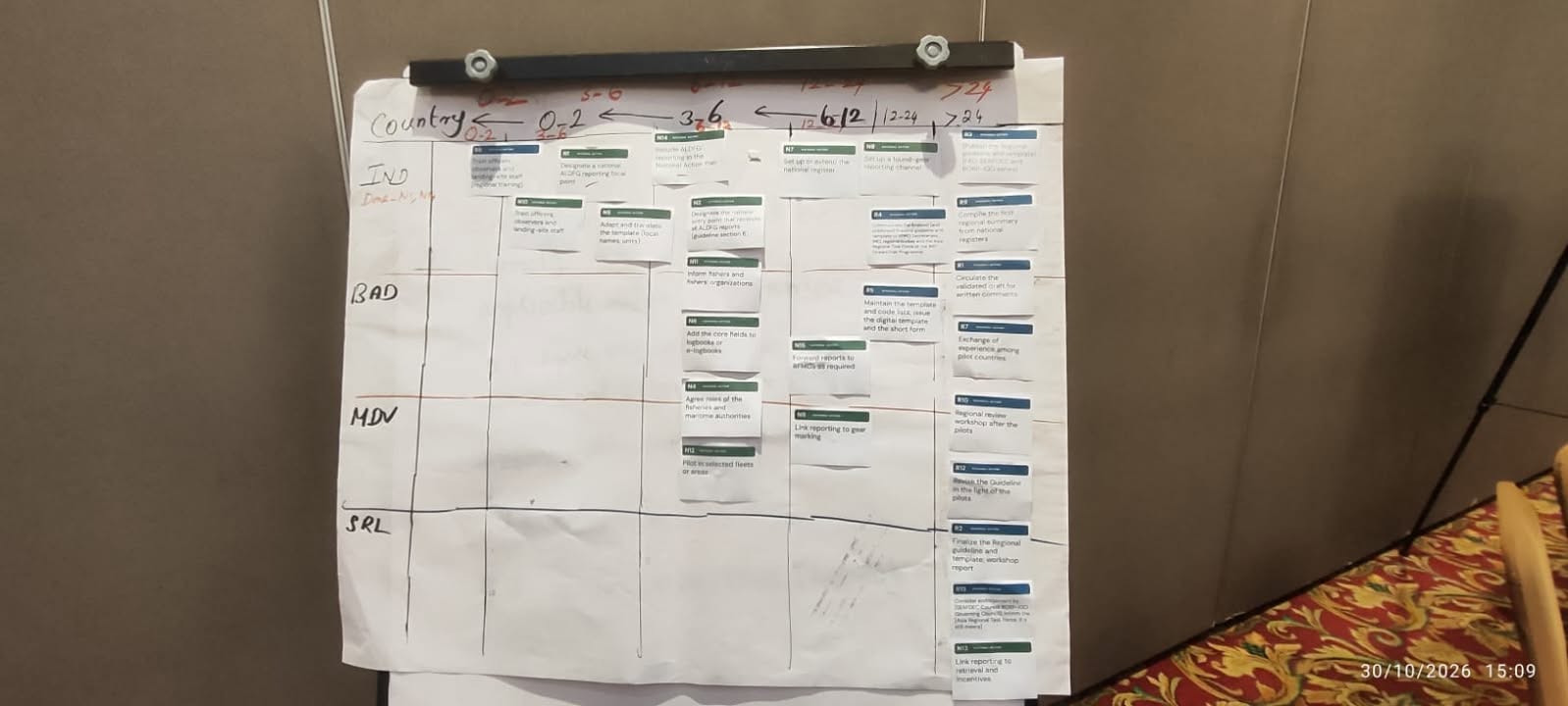
The three-day Regional Workshop on Abandoned, Lost or Otherwise Discarded Fishing Gear (ALDFG) concluded in Bangkok, Thailand, on 30 October 2026, with two key outputs: *a regional ALDFG reporting guideline and template, and a roadmap for national adaptation and implementation.*
Jointly organised by *FAO, SEAFDEC, IUCN and BOBP-IGO*, the workshop brought together representatives from countries across South and Southeast Asia to strengthen cooperation on ALDFG reporting and management.
In its closing remarks, BOBP-IGO emphasised that countries need not wait for formal endorsement of the regional guidelines to begin practical national initiatives. The guidelines reflect collective technical expertise and build upon existing international instruments and practices.
*BOBP-IGO identified five priorities for follow-up:*
1. Finalise flexible regional guidelines that recognise differing national circumstances and legal frameworks.
2. Support interested countries in developing national ALDFG reporting arrangements and pilot programmes.
3. Explore integration of ALDFG reporting with BOBP-IGO's ongoing AI-enabled fisheries traceability pilots and activities under the BOBLME project.
4. Subject to the necessary mandate, collaborate with member countries, *FAO, IMO, SEAFDEC, IUCN, regional seas organisations, other partners and development agencies* to identify potential donors and mobilise technical and financial support for national pilots.
5. Use lessons from national implementation to strengthen regional cooperation and improve reporting systems.
BOBP-IGO reiterated its readiness to work with member countries, FAO, IMO, SEAFDEC, IUCN, regional seas organisations, other partners and development agencies in translating the workshop outcomes into practical initiatives.
*“The success of this workshop will not be measured by the documents produced, but by the actions they help initiate.”*
The next step is clear: *from regional guidance to national pilots, and from national pilots to sustained action.*
#BOBPIGO #ALDFG #GhostFishing #MarineLitter #SustainableFisheries #BOBLME #FAO #SEAFDEC #IUCN #RegionalCooperation